

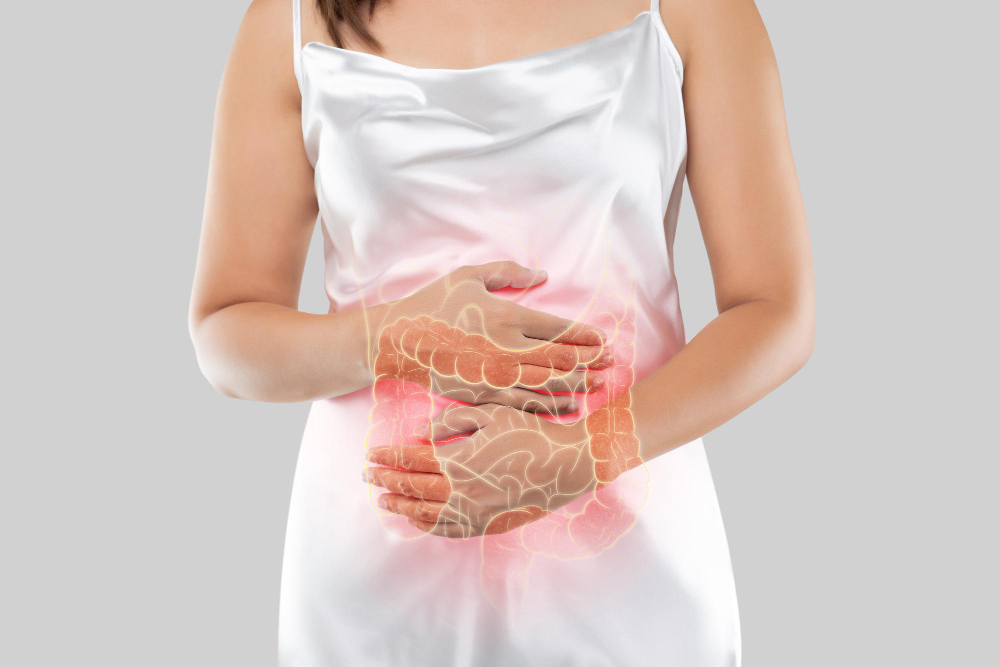
Introduction to Colitis (Inflammation of the Colon)
Colitis, also known as inflammation of the colon, is a condition that affects the large intestine. Many people experience discomfort, pain, or changes in bowel habits due to this issue. In Ayurveda, colitis is often linked to an imbalance in the body’s natural energies, called doshas. Understanding colitis helps you take steps toward better colon health. This blog will explore symptoms, causes, diagnosis, and natural management from both modern and Ayurvedic viewpoints.
Common Symptoms
Recognizing the signs of colitis early can help you seek timely care. While symptoms may vary, some are more common than others. For example, you may notice changes in your bowel movements. Additionally, you might feel pain or discomfort in your abdomen. Here are some key symptoms to watch for:
If you notice these symptoms, it is important to monitor your health closely. Early action can make a big difference.
Major Causes (with Ayurvedic Perspective)
Colitis can develop for many reasons. In modern medicine, common causes include infections, autoimmune reactions, and certain medications. Sometimes, stress or poor diet can also play a role. From an Ayurvedic perspective, colitis is often linked to an imbalance in the Pitta dosha, which governs heat and digestion in the body. When Pitta becomes too strong, it can lead to inflammation in the colon. Other factors may include:
Therefore, understanding both modern and Ayurvedic causes can help you manage colitis better.
Diagnosis Methods
Doctors use several methods to diagnose colitis. First, they may ask about your symptoms and medical history. Next, they might suggest tests to confirm the diagnosis. Some common diagnostic tools include:
In Ayurveda, a practitioner may also check your pulse, tongue, and digestion to understand your dosha balance. Early diagnosis helps guide the right treatment plan.
Ayurvedic Approaches to Treatment and Management
Ayurveda offers gentle, natural ways to manage colitis. The main goal is to balance the Pitta dosha and soothe inflammation. For instance, herbal remedies and lifestyle changes are often recommended. Some common Ayurvedic approaches include:
However, always consult a qualified Ayurvedic practitioner before starting any new treatment.
Lifestyle and Dietary Guidance
Making small changes in your daily routine can help manage colitis. For example, eating simple, easy-to-digest foods supports colon health. Additionally, staying hydrated is important. Here are some helpful tips:
These steps can help soothe your digestive system and prevent flare-ups.
Prevention Tips
While not all cases of colitis can be prevented, some habits may lower your risk. For instance, maintaining good hygiene can reduce infections. Also, a balanced diet and stress management are key. Consider these prevention tips:
By following these tips, you can support your colon health naturally.
When to Seek Medical Help
Sometimes, colitis symptoms can become severe. If you notice blood in your stool, high fever, or intense pain, seek medical help immediately. If symptoms persist for more than a few days or worsen, contact your doctor. Early treatment can prevent complications and speed up recovery.
For personalized advice on managing colitis, consult an Ayurvedic practitioner or healthcare specialist at Piyushpani Piles Hospital. Your health is important, so don’t hesitate to seek professional care when needed.
📞 Reach out to Piyushpani Piles Hospital today for expert guidance and treatment!