

What Are Piles?
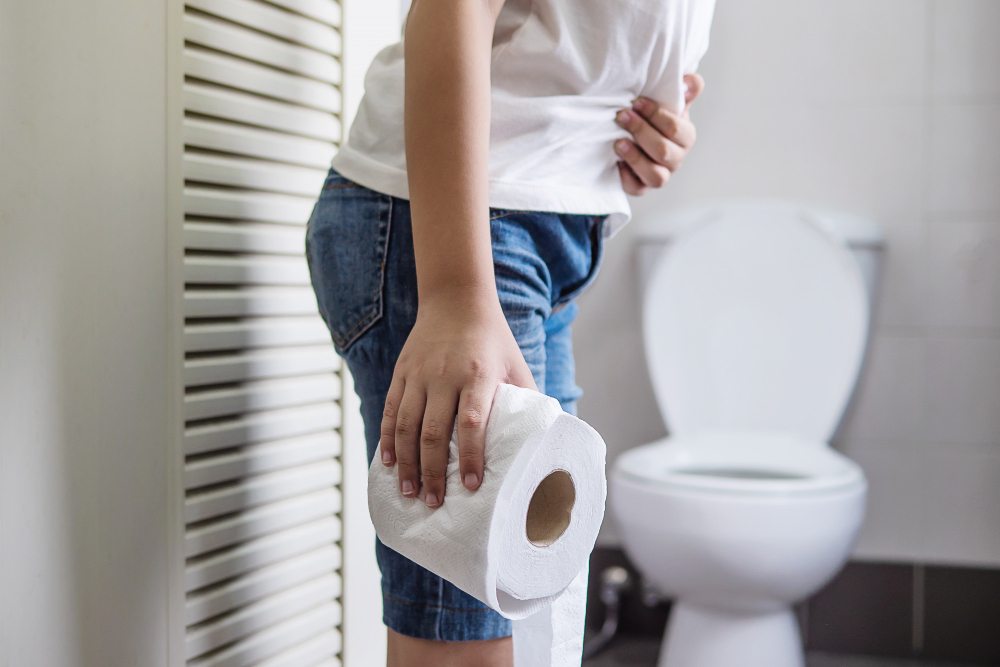
Piles, also called hemorrhoids, are swollen veins in the lower part of the rectum or anus. They can cause pain, itching, and sometimes bleeding. Many people experience piles at some point in their lives. In fact, the World Health Organization notes that piles are a common health problem worldwide. Although piles are not usually dangerous, they can be very uncomfortable. Thankfully, you can prevent piles with simple lifestyle changes.
Why Prevention Matters
Preventing piles is important because it helps you avoid pain and discomfort. If you make small changes now, you may not need treatment later. Also, piles can sometimes lead to more serious problems if left untreated. For example, they can cause long-term bleeding or infection. By focusing on prevention, you protect your health and well-being. In addition, healthy habits can improve your overall digestion.
Simple Lifestyle Changes to Prevent Piles
There are many easy ways to lower your risk of piles. Try these simple lifestyle changes:
With these steps, you can greatly reduce your risk of piles. In many cases, these changes also help with other digestive problems.
Foods That Help Prevent Piles
Eating the right foods is key to piles prevention. For example, fiber helps your body form soft, regular stools. This makes bowel movements easier and less painful. Consider adding these foods to your diet:
In some regions, traditional diets already include many of these foods. For instance, Indian meals often have lentils and vegetables, which are high in fiber. However, you should avoid processed foods and those low in fiber, as they can make constipation worse.
Daily Habits for a Healthy Bowel
Good daily habits can keep your bowels healthy and prevent piles. First, try to set a regular time for using the bathroom each day. This helps your body get into a routine. Next, do not rush or strain during bowel movements. Instead, take your time and relax. Also, wash the area gently after each bowel movement to prevent irritation. If you sit for work, stand up and move around every hour. These habits, when practiced daily, can make a big difference.
When to Seek Medical Advice
Even with the best prevention, symptoms of piles can still occur. If you notice blood in your stool, experience severe pain, or see a lump near your anus, it’s important to consult a doctor. These symptoms could indicate other health issues, and early medical advice can help prevent complications.
In summary, simple lifestyle changes can help prevent piles and improve your digestive health. Start with small steps and gradually build healthy habits.
For personalized advice on preventing and managing piles, consult a healthcare professional at Piyushpani Piles Hospital.