

Introduction
Piles, also called hemorrhoids, are swollen veins in the lower part of the rectum or anus. Many people experience piles at some point in their lives. In fact, the World Health Organization notes that piles are a common health issue worldwide. Because piles can cause pain, itching, and bleeding, preventing them is important. Fortunately, lifestyle changes that reduce the risk of developing piles are simple and effective. By making healthy choices, you can lower your chances of getting piles naturally.
What Are Piles?
Piles are swollen blood vessels near the anus or inside the rectum. They can be internal or external. Internal piles form inside the rectum, while external piles develop under the skin around the anus. Although piles are not usually dangerous, they can be uncomfortable. Symptoms may include pain, itching, swelling, and sometimes bleeding during bowel movements. Many people feel embarrassed to talk about piles, but they are very common.
Why Lifestyle Matters in Preventing Piles
Healthy habits play a big role in piles prevention. For example, what you eat, how much you move, and your bathroom habits all affect your risk. Studies from the Centers for Disease Control and Prevention (CDC) show that a healthy lifestyle can help prevent piles. When you make small changes, you can reduce the risk of piles and improve your overall health.
Key Lifestyle Changes to Reduce Risk
High-Fiber Diet
Eating more fiber is one of the best ways to prevent piles naturally. Fiber softens stool and makes it easier to pass. This means you are less likely to strain during bowel movements. Foods rich in fiber include:
Try to add fiber slowly to avoid gas or bloating. For people in hot climates, fresh fruits and vegetables are easy to find and add to meals.
Staying Hydrated
Drinking enough water helps keep stools soft. As a result, you will not need to strain. Aim for at least 6-8 glasses of water each day. In hot or dry regions, you may need more fluids. Herbal teas and clear soups also help you stay hydrated.
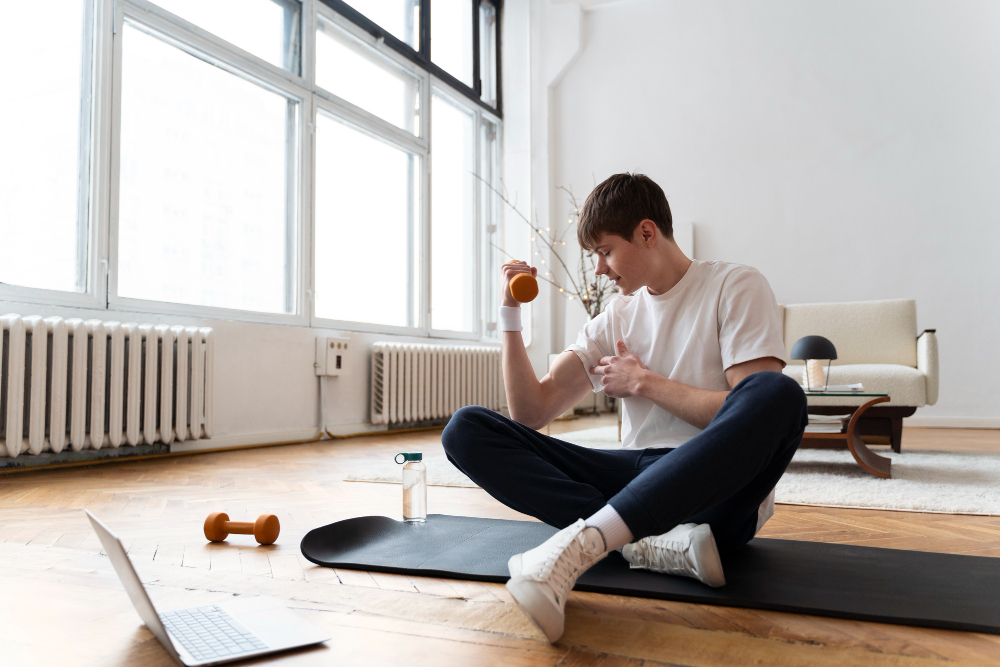
Regular Physical Activity
Exercise keeps your bowels moving. Even a short walk each day can help. Physical activity also helps you maintain a healthy weight, which lowers your risk of piles. Good options include:
Choose activities you enjoy. This way, you are more likely to stick with them.
Healthy Bowel Habits
Good bathroom habits are key for piles prevention. Here are some tips:
These simple steps can make a big difference.
Avoiding Prolonged Sitting or Straining
Sitting for long periods, especially on hard surfaces, can put pressure on the veins near your anus. If you work at a desk, try to stand up and move around every hour. Also, avoid lifting heavy objects, as this can cause straining. If you must lift something, bend your knees and keep your back straight.
Maintaining Healthy Weight
Being overweight increases pressure on the veins in your lower body. By keeping a healthy weight, you reduce your risk of piles. Eating balanced meals and staying active are the best ways to manage your weight. If you need help, talk to a healthcare provider for advice.
Additional Tips for Prevention
These small changes can support your efforts in preventing piles naturally.
When to Seek Medical Advice
Sometimes, piles can cause more serious problems. You should see a doctor if you notice:
Early treatment can prevent complications. Do not feel embarrassed to ask for help.
In summary, lifestyle changes that reduce the risk of developing piles are simple and effective. By increasing fiber intake, staying hydrated, staying active, and adopting healthy habits, you can significantly lower your risk of piles.
For personalized advice on preventing piles and maintaining digestive health, consult a healthcare specialist at Piyushpani Piles Hospital.