

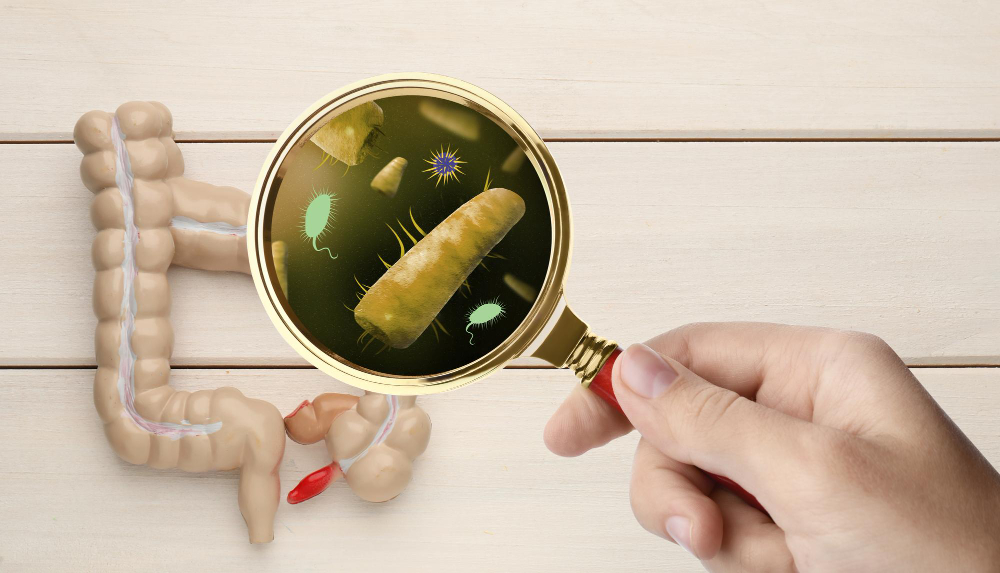
What Are Rectal Infections?
Rectal infections affect the lower part of the digestive tract. These infections can cause discomfort, pain, or swelling near the rectum. While anyone can get rectal infections, some people are at higher risk. Often, these infections result from bacteria, viruses, or fungi. Because rectal infections can be uncomfortable, early care is important. Many people seek both medical and natural remedies for rectal infections. In some regions, Ayurvedic care in your city offers gentle support for healing.
Common Symptoms of Rectal Infections
Rectal infections can show up in different ways. However, some symptoms are more common than others. If you notice any of these, consider seeing a healthcare provider:
Sometimes, symptoms may be mild. But in other cases, they can be severe and affect daily life. For example, ongoing pain or bleeding may signal a serious infection.
Causes and Risk Factors
Many things can lead to rectal infections. For instance, bacteria like Escherichia coli or sexually transmitted infections (STIs) are common causes. Viruses and fungi can also play a role. The Centers for Disease Control and Prevention (CDC) notes that certain behaviors increase risk. These include:
Additionally, people with inflammatory bowel disease may be more likely to get rectal infections. Because risk factors vary, knowing your own risks can help with prevention.
Diagnosis of Rectal Infections
Doctors use several methods to diagnose rectal infections. First, they ask about your symptoms and medical history. Next, they may do a physical exam. Sometimes, they collect a sample from the rectal area for testing. This helps find out which germ is causing the infection. In some cases, blood tests or imaging may be needed. Early diagnosis helps guide the best treatment. According to the World Health Organization (WHO), accurate diagnosis is key to stopping the spread of infection.
Conventional Treatment Options
Treatment for rectal infections depends on the cause. Doctors often use medicines such as:
Sometimes, doctors suggest warm baths or gentle cleaning. For severe cases, hospital care may be needed. Because some infections can return, follow-up visits help ensure full recovery. Always finish any prescribed medicine, even if you feel better.
Ayurvedic Care Approach for Rectal Infections
Many people look for natural remedies for rectal infections. Ayurveda, an ancient Indian system, offers gentle care for these issues. Ayurvedic treatment for rectal infections often focuses on:
For example, herbs like turmeric and neem are known for their healing effects. However, always consult a qualified Ayurvedic doctor before starting any new remedy. In some cities, Ayurvedic care in your area can work alongside medical treatment for better results.
Lifestyle Tips and Prevention
Preventing rectal infections is possible with simple steps. Because good habits lower risk, try these tips:
Additionally, regular check-ups help catch problems early. If you notice symptoms, seek care right away. In many cases, combining modern medicine with natural remedies for rectal infections offers the best support for long-term health.