

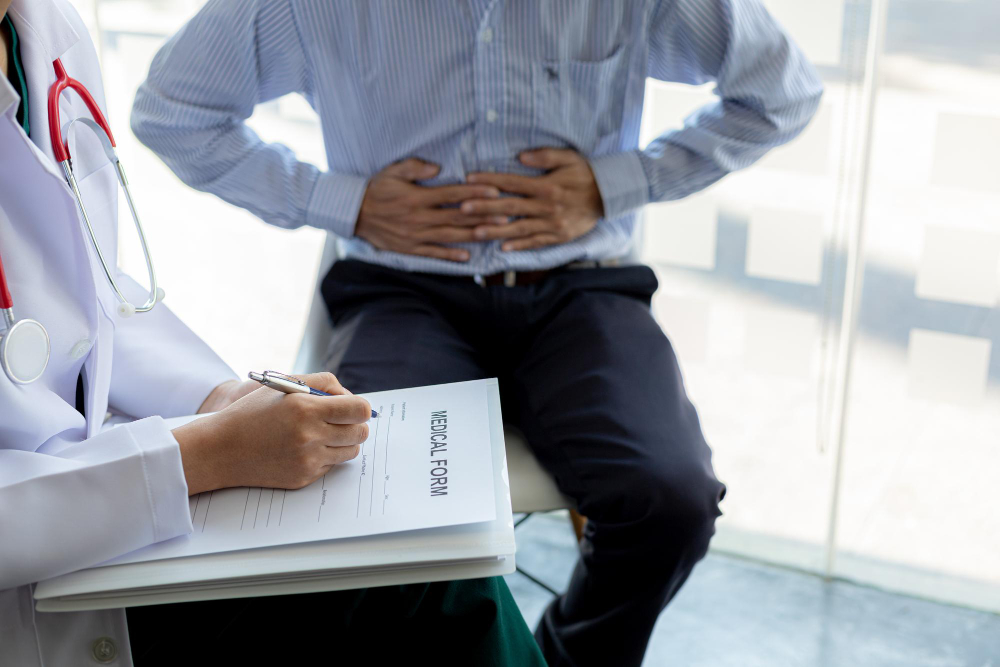
What Are Colorectal Infections?
Colorectal infections are illnesses that affect the colon and rectum. These parts of your body help digest food and remove waste. When germs like bacteria, viruses, or parasites enter this area, they can cause an infection. As a result, you may feel sick or notice changes in your bowel habits. According to the CDC, these infections can range from mild to severe. Early recognition and treatment for colorectal infections can help prevent complications.
Common Symptoms of Colorectal Infections
It is important to know the signs of colorectal infection. Symptoms can appear suddenly or develop over a few days. For example, you may notice changes in your bathroom habits. Here are some common symptoms:
If you notice these symptoms, it is wise to pay attention. Sometimes, symptoms can be mild. However, severe symptoms may need quick medical care.
Causes and Risk Factors
Many things can cause colorectal infections. Most often, bacteria like Escherichia coli (E. coli), Salmonella, or Clostridioides difficile (C. diff) are to blame. Viruses and parasites can also cause these infections. In addition, certain risk factors make you more likely to get sick. For example, you may be at higher risk if you:
Because these risks can be common, it is important to stay aware.
How Colorectal Infections Are Diagnosed
Doctors use several methods to diagnose colorectal infections. First, they will ask about your symptoms and medical history. Next, they may do a physical exam. Often, doctors will order tests to find the cause. These tests may include:
With these tests, doctors can find the right treatment for colorectal infections. Early diagnosis helps prevent serious problems.
Treatment Options for Colorectal Infections
Treatment for colorectal infections depends on the cause and how severe the symptoms are. In many cases, mild infections get better on their own. However, some people need medicine. Common treatments include:
Because some medicines can make things worse, always follow your doctor’s advice. Do not take antibiotics unless prescribed.
Prevention Tips and Lifestyle Guidance
There are many ways to lower your risk of colorectal infections. For example, you can:
By following these tips, you can help protect yourself and your family from infection.
When to See a Doctor
Sometimes, colorectal infections can become serious. You should see a doctor if you:
Because early treatment can prevent problems, do not wait if you feel very sick.
Consult a healthcare professional at Piyushpani Hospital for personalized advice on colorectal infections.