

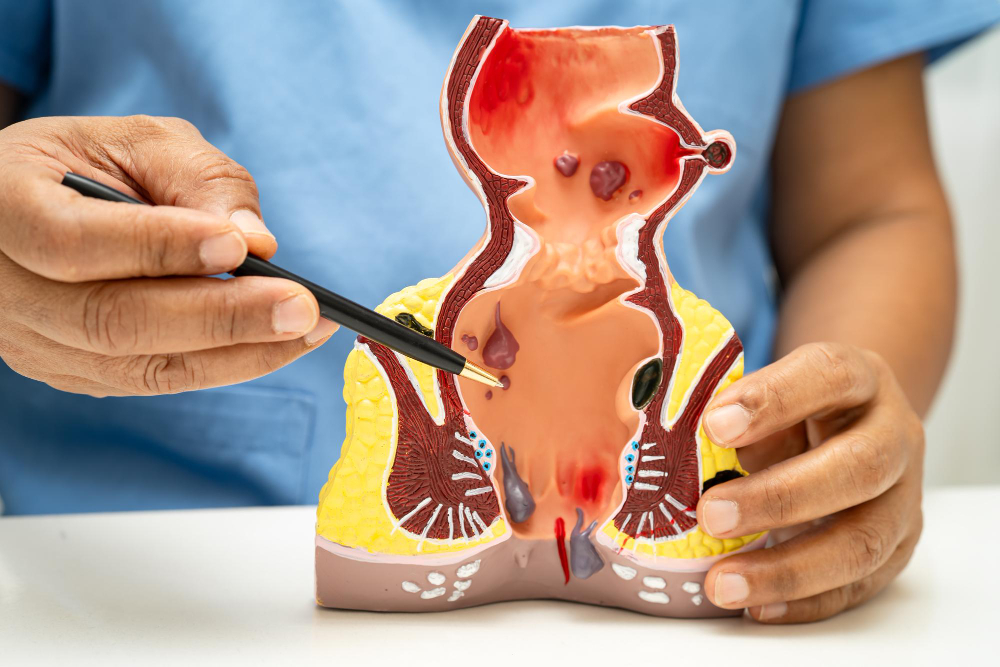
Pilonidal Sinus: Ayurvedic Management & Care Options is a topic many people search for today. A pilonidal sinus is a small tunnel or tract under the skin, usually near the tailbone. This condition can cause pain, swelling, and sometimes infection. While modern medicine offers surgery and antibiotics, many seek Ayurvedic treatment for pilonidal sinus. Ayurveda uses natural remedies and lifestyle changes to help manage this problem. In this blog, you will learn about pilonidal sinus, its symptoms, causes, and how Ayurveda can help.
What is Pilonidal Sinus?
First, let’s understand what a pilonidal sinus is. It is a small channel or hole in the skin, often found near the top of the buttocks. Sometimes, hair and skin debris collect in this area. As a result, the sinus can become infected and form an abscess. This condition is more common in young adults, especially men. According to the CDC, pilonidal sinus can cause discomfort and may need medical care.
Common Symptoms of Pilonidal Sinus
Many people do not notice symptoms at first. However, as the sinus grows or becomes infected, signs may appear. For example, you may feel pain or swelling near your tailbone. In addition, you might see redness or pus in the area. Sometimes, a bad smell or fever can also occur. Watch for these common symptoms:
If you notice these signs, it is important to seek help. Early care can prevent the problem from getting worse.
Causes and Risk Factors
Pilonidal sinus develops due to several reasons. Most often, loose hairs poke into the skin and cause irritation. Over time, this can lead to infection. But, other factors can raise your risk. For instance, sitting for long periods puts pressure on the area. In addition, poor hygiene or tight clothing may also play a role. Here are some common causes and risk factors:
Understanding these risks can help you take steps to prevent the condition.
Ayurvedic Perspective on Pilonidal Sinus
Ayurveda, an ancient Indian system of medicine, views pilonidal sinus differently. According to Ayurveda, this condition is similar to a disease called “Nadi Vrana.” In this view, an imbalance of the body’s energies, or doshas, leads to the problem. For example, too much heat and moisture in the body can cause skin issues. Therefore, Ayurvedic doctors focus on balancing these energies. They use natural remedies for pilonidal sinus to support healing and reduce discomfort.
Ayurvedic Treatment Options
Ayurvedic treatment for pilonidal sinus uses herbs, oils, and simple procedures. These methods aim to clean the sinus, reduce infection, and promote healing. In many cases, Ayurvedic clinics in your city or region offer these treatments. Some common Ayurvedic care options include:
Always consult a qualified Ayurvedic doctor before starting any treatment. They can suggest the best plan for your needs.
Home Remedies and Lifestyle Tips
Along with Ayurvedic treatments, home care plays a big role in recovery. Many people look for pilonidal sinus care at home. While these tips do not replace medical advice, they can help manage symptoms and prevent infection. For example, keeping the area clean and dry is important. In addition, you can try these simple home remedies:
However, if symptoms get worse, seek help from a doctor right away.
Prevention Strategies
Preventing pilonidal sinus is possible with a few simple steps. First, practice good hygiene every day. Next, keep the area near your tailbone clean and dry. In addition, try to avoid sitting for long hours without a break. Here are some prevention tips:
By following these steps, you can lower your risk of developing a pilonidal sinus. For ongoing care, you may also visit best Ayurvedic clinic – Piyushpani Piles Hospital for advice and treatment.