

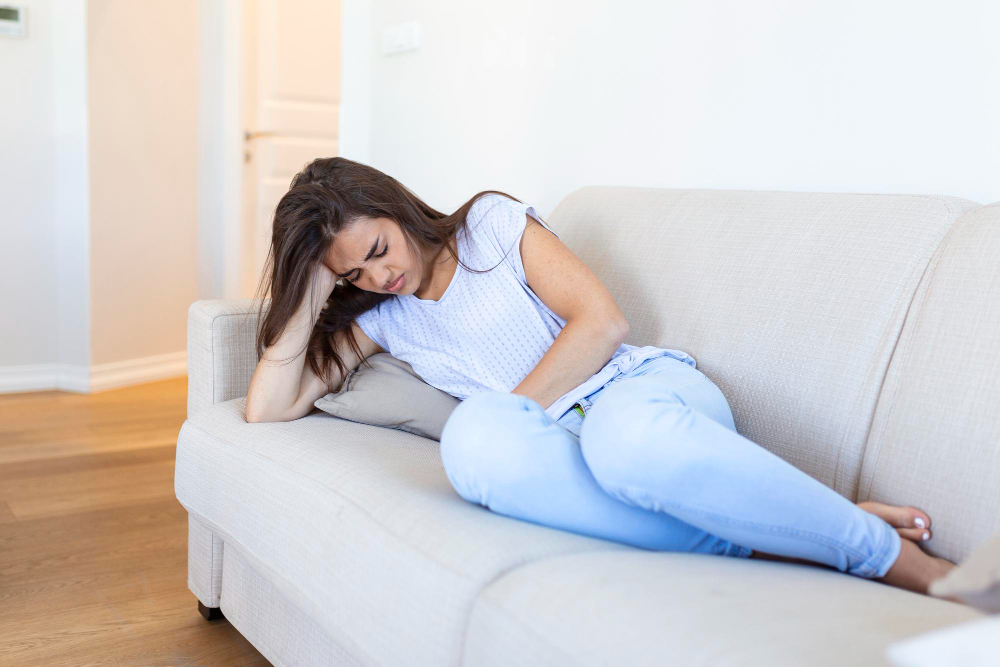
What Are Piles?
Piles, also known as hemorrhoids, are swollen veins in the lower part of the rectum or anus. These veins can become irritated and cause discomfort. Many people experience piles at some point in their lives. In fact, piles are a common health problem worldwide. Early symptoms of piles can help you seek treatment sooner. According to the World Health Organization (WHO), piles affect millions of people every year. Although piles can be uncomfortable, they are usually not dangerous.
Early Symptoms of Piles
Recognizing the early symptoms of piles is important. Early treatment can help prevent complications. Look out for these signs:
However, not everyone with piles will have all these symptoms. If you notice any of these signs, it is wise to talk to a doctor.
Causes and Risk Factors
Piles can develop for many reasons. Some common causes and risk factors include:
Because these factors can increase your risk, making healthy lifestyle choices is important.
Diagnosis Methods
Doctors use several methods to diagnose piles. First, they ask about your symptoms and medical history. Next, they may perform a physical exam. Sometimes, a gentle inspection of the anal area is enough. In other cases, doctors may use a small tube called an anoscope to look inside the rectum. If needed, further tests like a colonoscopy may be done to rule out other causes of bleeding. Early diagnosis helps guide the best piles treatment options.
Treatment Options for Piles
Treatment for piles depends on the severity of symptoms. Many cases improve with simple measures. However, some people may need medical or surgical treatment.
Medical Treatments
Non-Surgical Treatments
Surgical Treatments
Most people do not need surgery. But for severe or persistent piles, these options may be considered. Always discuss with your doctor to choose the best treatment for you.
Lifestyle and Home Remedies
Simple changes can help manage piles and ease symptoms. For example, try these home remedies:
Because these steps can reduce discomfort, they are often recommended by doctors.
Prevention Tips: How to Prevent Piles
Preventing piles is possible with healthy habits. Consider these tips:
By following these tips, you can lower your risk of developing piles.
Conclusion
Piles are common and can cause discomfort, but early symptoms are easy to spot. From home remedies to medical treatments, many options are available to relieve symptoms and promote healing.
If you notice symptoms or want to learn more about treatment options, consult a healthcare specialist at Piyushpani Piles Hospital for personalized advice on piles care.