

Introduction
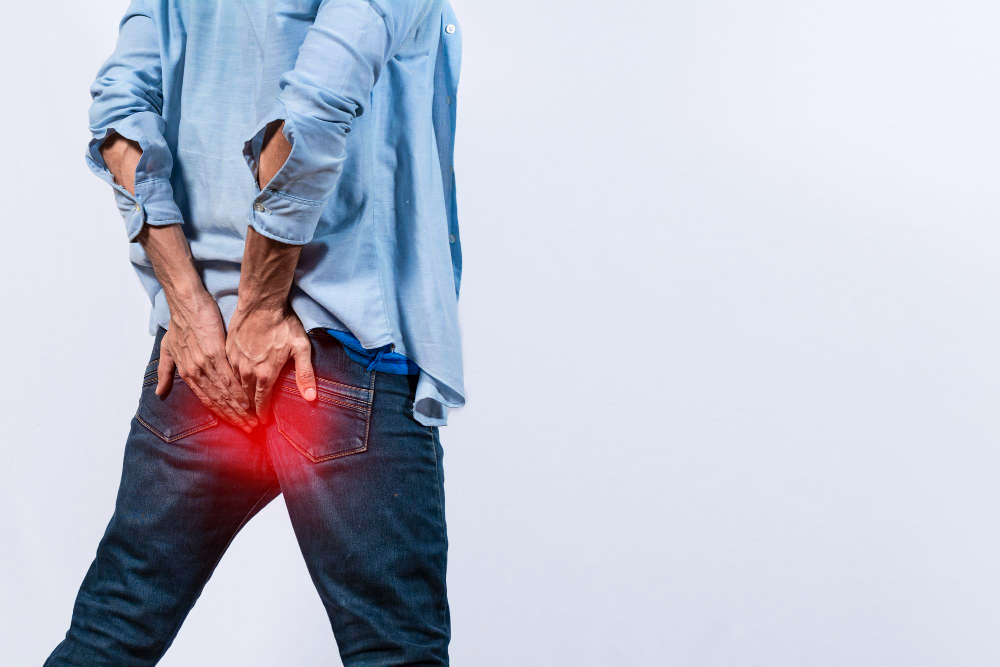
Piles complications like fissures can cause pain and discomfort. Piles, also called hemorrhoids, are swollen veins in the lower rectum or anus. Fissures are small tears in the lining of the anus. Both conditions can lead to serious problems if not treated quickly. In many cases, piles complications need urgent care to prevent further health issues. Early treatment helps you avoid pain and long-term damage.
What Are Piles and Fissures?
Piles are swollen blood vessels in the anus or rectum. They may cause bleeding, itching, or pain. Fissures, on the other hand, are small cuts or tears in the skin around the anus. These tears can make passing stool very painful. Both piles and fissures are common, but they can become serious if ignored.
Common Complications of Piles
Piles can lead to several complications. Some of the most common include:
Because these complications can worsen quickly, it is important to seek treatment early.
Why Fissures Are a Serious Concern
Fissures may seem minor, but they can cause severe pain. Often, fissures make it hard to pass stool. In some cases, they can become infected. If left untreated, fissures may turn into chronic wounds. This can lead to more pain and even abscesses (pockets of pus). Therefore, fissures need urgent care to prevent further problems.
Symptoms That Need Immediate Medical Attention
Some symptoms of piles complications and fissures should not be ignored. You should see a doctor right away if you notice:
Quick action can help prevent serious health risks.
Risks of Delaying Treatment
Delaying treatment for piles complications like fissures can lead to:
For these reasons, early care is always better. According to the World Health Organization (WHO), timely treatment helps prevent serious outcomes.
Diagnosis and Treatment Options
Doctors diagnose piles and fissures by asking about your symptoms and doing a simple exam. Sometimes, they may suggest tests to rule out other problems. Treatment for piles complications depends on how severe your symptoms are. Options include:
Doctors may also suggest changes in diet and lifestyle to help healing and prevent future problems.
Prevention and Lifestyle Tips
While piles and fissures are common, you can lower your risk by following these tips:
These simple steps can help prevent piles complications and fissures.
Conclusion
In summary, piles complications like fissures need immediate attention to avoid pain and serious health risks. If you notice symptoms of piles complications like fissures, consult Piyushpani Piles Hospital immediately for personalized advice. Our healthcare specialists are here to provide the right care and help you manage your condition effectively.